Accessible Activity
Walking requires minimal equipment and can be done in various locations. You can walk at your own pace in parks, trails, or neighborhoods.
Learn about walking practices and outdoor activities for daily movement and time spent outdoors.
Learn More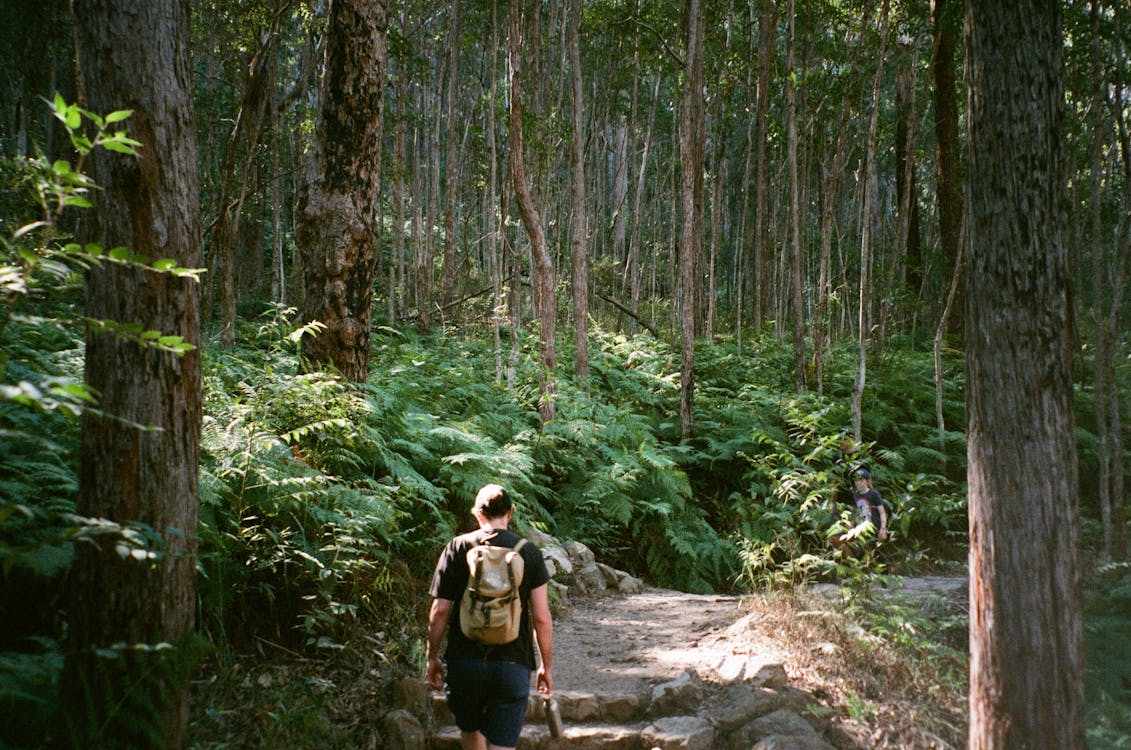
Walking is an accessible form of physical activity that allows you to spend time outdoors and explore natural environments.
Walking requires minimal equipment and can be done in various locations. You can walk at your own pace in parks, trails, or neighborhoods.
Walking outdoors provides opportunities to experience different environments, observe nature, and spend time in fresh air throughout the seasons.
Walking can be incorporated into your daily schedule through morning walks, lunch breaks, or evening strolls as part of your routine.
Start with short walks in your local area and gradually increase distance as you become more comfortable with the activity.
Choose walking paths that interest you, such as local parks, nature trails, or urban routes with pleasant surroundings.
Identify times that work with your daily routine, whether morning, afternoon, or evening walks fit your lifestyle.
Select appropriate footwear and clothing suitable for weather conditions to make your walking experience more comfortable.
Consider different approaches to outdoor walking and nature-based activities.
Focus on your surroundings, breathing, and physical sensations during walks to create a more attentive outdoor experience.
Walk with friends, family, or local walking groups to combine physical activity with social interaction.
Pay attention to wildlife, plants, and seasonal changes during your walks to enhance your outdoor experience.
Develop consistent walking practices through regular scheduling and personal preference.
Consistent, moderate walking can be easier to maintain than irregular intense sessions. Establish a routine that fits your lifestyle and schedule.
Adjust your walking routine based on weather, energy levels, and personal circumstances. Flexibility helps maintain long-term participation.
Consider keeping a simple log of your walks to track your activity patterns and observe your progress over time.
During spring and summer, take advantage of longer daylight hours. Remember to stay hydrated and use sun protection when walking outdoors.
In fall and winter, dress in appropriate layers and use reflective gear during shorter daylight periods. Each season offers unique outdoor experiences.
Learn more about incorporating walking into your daily routine and outdoor lifestyle practices.